
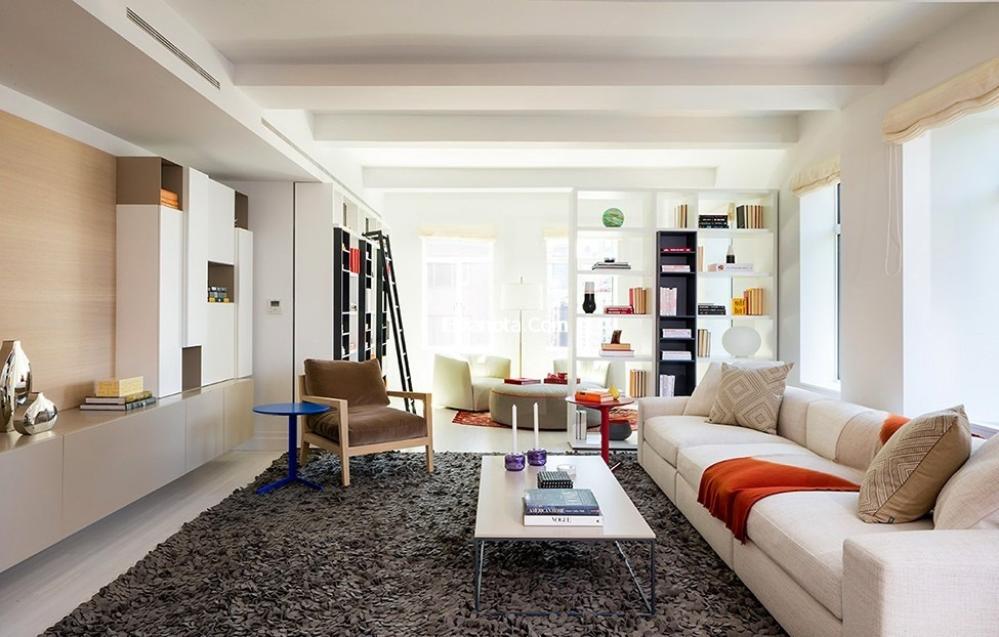
Choosing the right furniture for your home isn't just about aesthetics; it's a decision that impacts daily comfort, space utilization, and even the overall mood within the home. Good furniture creates a sense of order and harmony, making each room more functional and stylish. Therefore, it's essential to select furniture pieces carefully, taking into account your actual needs and the available space.
The first step in choosing furniture is to clearly define the function of each room. For example, a living room needs furniture that provides comfort and reflects the homeowners' taste, so the focus is usually on sofas, tables, and TV units, while also considering ease of movement within the space. A bedroom, on the other hand, needs elements that promote tranquility and comfort, such as a suitable bed, practical wardrobes, and dressing tables with a harmonious design. Once you define the needs of each room, it becomes easier to choose the right pieces without clutter or excess.
Space is a crucial factor that cannot be ignored when buying furniture. Many people are drawn to beautiful designs in pictures or showrooms, only to discover later that the piece is too large for the available space or doesn't fit the room's layout. Therefore, it's always best to accurately measure the space before buying, paying attention to the dimensions of doors, windows, and walkways. In small spaces, it's preferable to choose practical furniture with a simple design and calming colors, as this creates a feeling of spaciousness and comfort.
Materials also play a crucial role in determining the quality and lifespan of furniture. Choosing good quality wood, suitable fabrics, and refined finishes makes a piece more durable for everyday use and helps it maintain its appearance for longer. When buying sofas, beds, or tables, it's not enough for the piece to look beautiful; you must also ensure the sturdiness of the frame and the quality of the materials used in its manufacture. Good furniture is a long-term investment, not just a temporary purchase.
Colors also have a significant impact on the overall look of a home. If the walls or floors feature strong hues or many details, it might be best to choose furniture in soft, balanced colors. If the space is neutral and minimalist, bolder touches can be added with sofas, chairs, or accessories. The key here is to create a visual balance that makes the space comfortable and uncluttered. It's also a good idea to consider color coordination between rooms to maintain a consistent identity for the entire home.
Another important aspect when choosing furniture is combining practicality with elegant design. Some pieces may be very beautiful but uncomfortable or unsuitable for everyday use, which can cause frustration over time. Therefore, it's always advisable to look for furniture that combines comfort, ease of use, and a modern or classic design to suit the style of your home. This balance is what truly makes furniture successful in any space.
Price shouldn't be the only factor in your decision. Buying a low-quality item simply because it's cheaper might lead to quick replacements, while a better item will be more cost-effective in the long run. It's best to compare options in terms of quality, design, size, and material, and then choose the one that offers the best value.
Ultimately, choosing the right furniture is a process that requires attention to detail and a clear understanding of your needs. When you select pieces that suit your space, prioritize quality, and balance beauty and functionality, you create a more comfortable, stylish, and stable home. Furniture isn't just for decoration; it's an essential part of your lifestyle within the home, and therefore deserves careful selection.